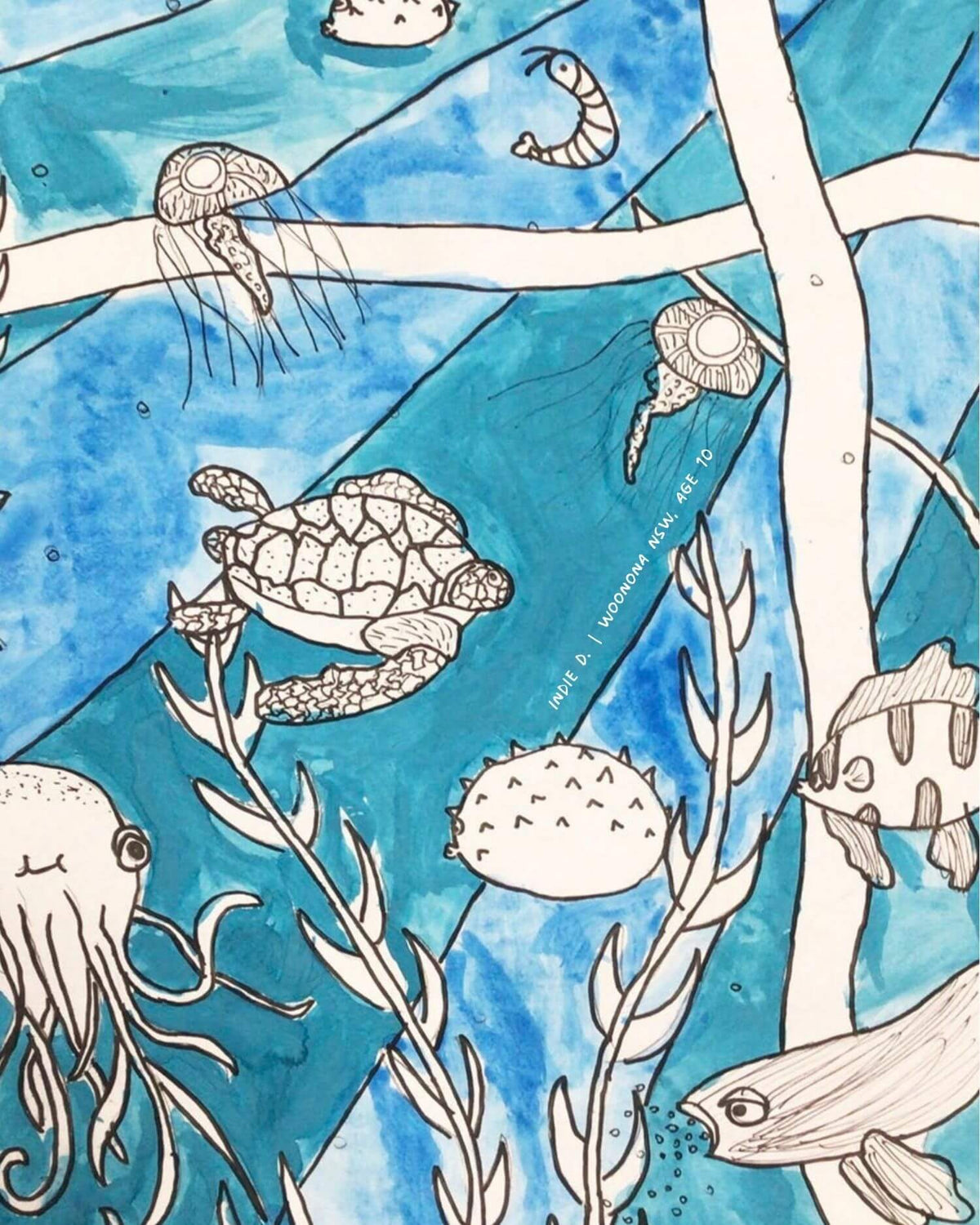
Define and Describe
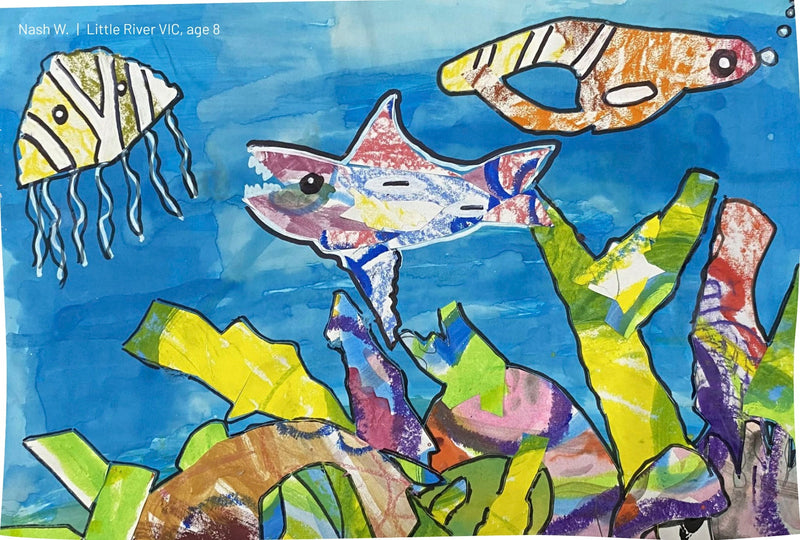
The aquatic biome is the largest biome and covers 75% of the world's surface. It includes oceans, rivers, lakes and streams. The Great Barrier Reef is made up of 400 species of coral, 1500 species of tropical fish and can be seen from outer space. Plus, that is just the Great Barrier Reef! The aquatic biome holds 90% of the world's water supply.
Animals That Live There
Most of the plants and animals in the ocean live in the top layer where sunlight breaks through. Animals and plants which live deeper in the ocean have adapted to living without much light. Such as: whales, sea turtles, clown fish, sharks, inshore dolphins, sea snakes, sawfish, dugongs, starfish, seahorses, tuna, scallops, oysters, pufferfish, octopus, clams, conch, prawns, lobsters, crabs, squid, eels, krill, stingray and jellyfish.
Plants That Grow There
So many plants grow in the aquatic biome. These include coral (hard and soft), kelp, rushes, sedges, black spruces, cypress, gum, mangrove trees, seagrass/seaweed, algae and sea sponge.
Climate
Temperatures in the aquatic biome are pretty steady throughout the year, with an average maximum of 30°c and a minimum of 20°c. It is a tropical climate. The ocean plays an important role in the climate. It can get disturbed by ocean waves and currents.
Threats
Threats of the aquatic biome can be over-fishing, plastic waste, oil spills, habitat destruction, sewage, pollution and poor water quality from land-based run-off.
Human Impacts
The aquatic biome gives humans reasons to cool down from the hot Summer days. It is a great place to have a holiday as well as to visit. You can live there as well (it is a great place to live). The aquatic biome is a great place for humans because of warmer waters, tropical weather and lots of fun activities.